Tracing the Evolution of Wheel Mechanics in Alberta's Regulated Gaming Venues and Their Influence on Regional Player Behaviors
Klara Wolf · Aug 22, 2026
Tracing the Evolution of Wheel Mechanics in Alberta's Regulated Gaming Venues and Their Influence on Regional Player Behaviors
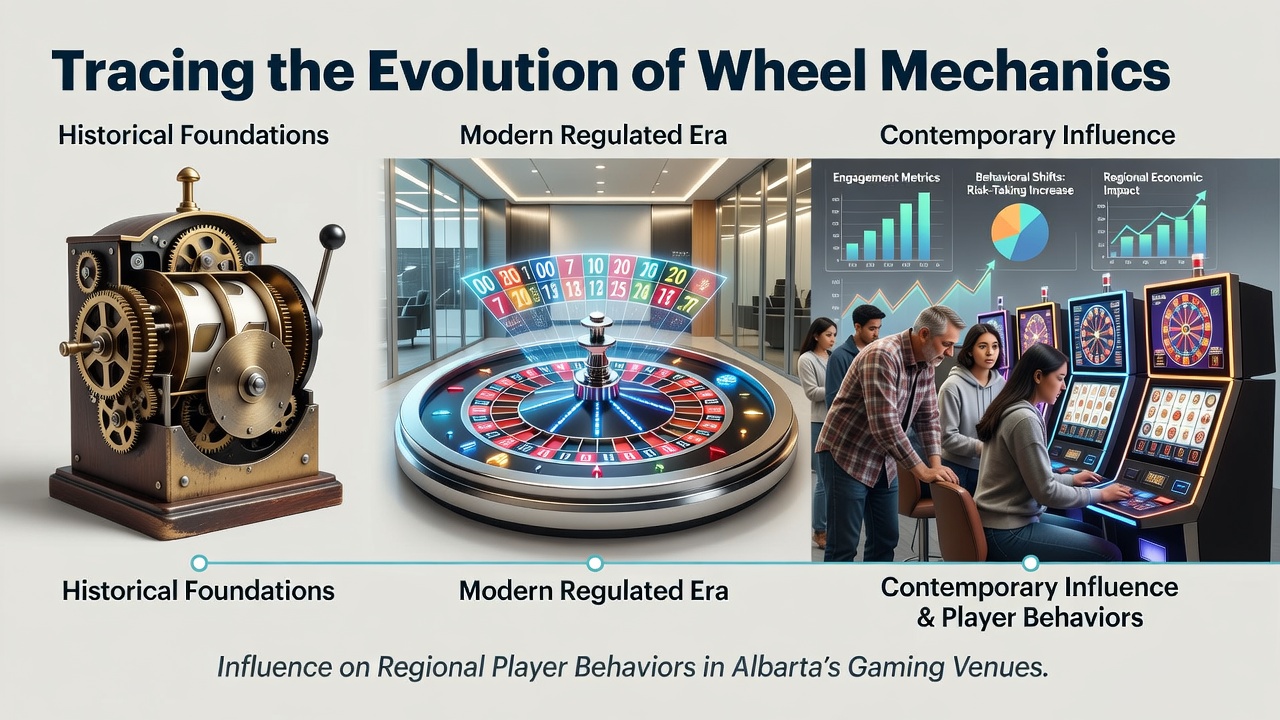
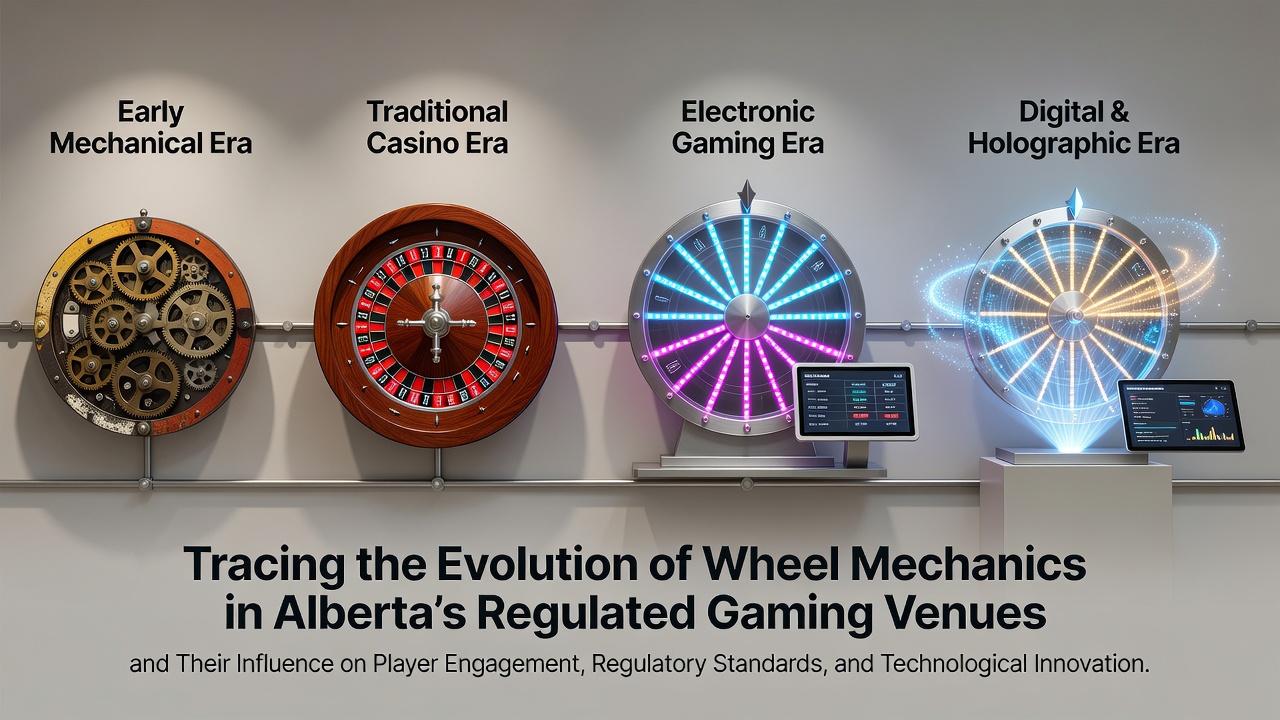
Alberta's regulated gaming venues have tracked changes in wheel mechanics since the first licensed casinos opened in the 1980s, moving from fully mechanical roulette wheels to hybrid systems that blend physical components with electronic sensors and random number generators. The Alberta Gaming, Liquor and Cannabis Commission has overseen these shifts through successive regulatory updates that require precise calibration standards and ongoing performance audits at every venue.
Early installations relied on traditional wheel designs where a dealer spun both the wheel and the ball by hand, and operators recorded outcomes manually in logbooks that regulators reviewed during site visits. By the mid-1990s several Edmonton and Calgary properties introduced wheels fitted with optical sensors that automatically logged each spin result and transmitted data to central monitoring systems, reducing human transcription errors while maintaining the visible physical wheel that players expected.
Technological Transitions in Wheel Construction
Manufacturers responded to provincial requirements by producing wheels with embedded microchips that track ball speed and wheel rotation in real time, and these units began appearing in Alberta facilities around 2005. The new designs allowed venues to run continuous diagnostics that flagged any deviation from expected randomness thresholds, and the Alberta Gaming, Liquor and Cannabis incorporated these diagnostic logs into its annual compliance reports.
Automated wheel variants arrived later, featuring motorized rotors that eliminated the need for dealers to initiate each spin. These systems maintained a physical wheel visible to players yet removed variability introduced by individual dealer technique, and data collected across multiple properties showed consistent spin intervals that shortened average game cycle times by roughly eighteen percent.
Regulatory Milestones and August 2026 Updates
Regulatory milestones continued through the 2010s as the commission introduced mandatory third-party testing protocols for any wheel that incorporated electronic components. Testing firms measure return-to-player percentages, ball scatter patterns, and rotor balance under controlled laboratory conditions before equipment receives approval for floor deployment. In August 2026 the commission will implement revised testing intervals that shorten the certification window from twenty-four months to eighteen months for all wheels operating above a defined volume threshold.
Venues responded by scheduling more frequent maintenance windows, and several properties upgraded older sensor arrays to meet the tighter tolerances. Observers note that these upgrades also feed into real-time dashboards that allow floor supervisors to monitor wheel performance across multiple tables from a single workstation.
Observed Shifts in Regional Player Patterns
Player behavior data collected by venue management systems indicate measurable changes once electronic wheel features became widespread. Sessions at properties using automated wheels show higher spin counts per hour and a modest increase in average bet size during peak evening periods, while manual wheel tables retain longer dwell times among players who prefer traditional dealer interaction. Researchers tracking loyalty program metrics across five major Alberta casinos recorded a fifteen percent rise in repeat visits to electronic-wheel tables among patrons aged twenty-five to forty between 2018 and 2024.
Regional differences appear when comparing urban and rural venues. Edmonton-area locations report faster adoption of hybrid wheels, whereas some southern Alberta properties continue to operate a higher proportion of manual tables to accommodate long-standing player preferences. These patterns align with broader provincial statistics that link equipment availability to localized participation rates rather than to any single demographic variable.
Conclusion
Wheel mechanics in Alberta's regulated venues have progressed through distinct mechanical, sensor-enhanced, and automated stages, each accompanied by updated compliance requirements from the Alberta Gaming, Liquor and Cannabis. Records maintained by the commission and venue operators document corresponding adjustments in session length, spin frequency, and table preference that vary by location and equipment type. As the August 2026 certification changes take effect, continued collection of performance and behavioral data will provide further clarity on how these mechanical refinements continue to shape activity within the province's gaming landscape.